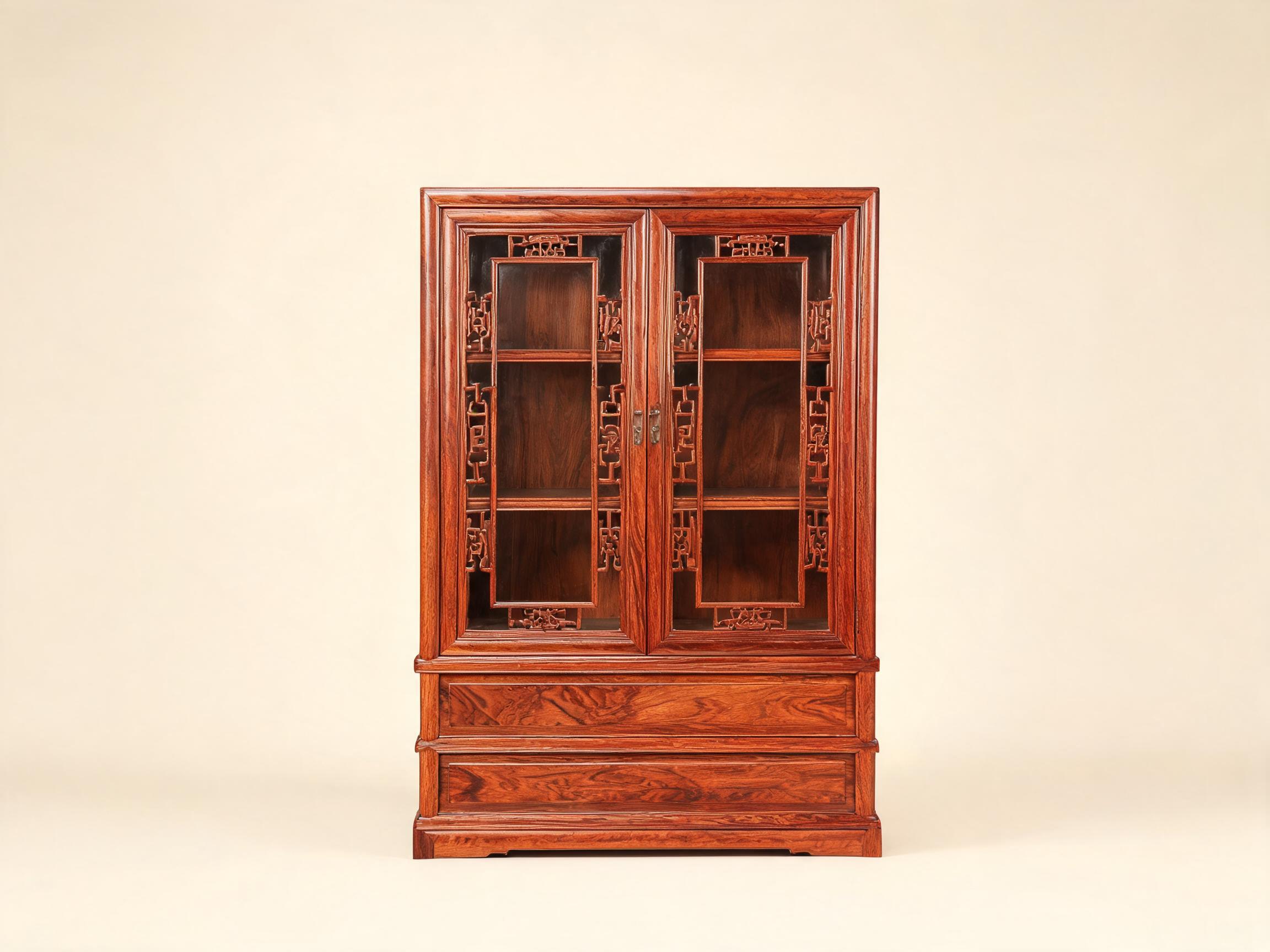
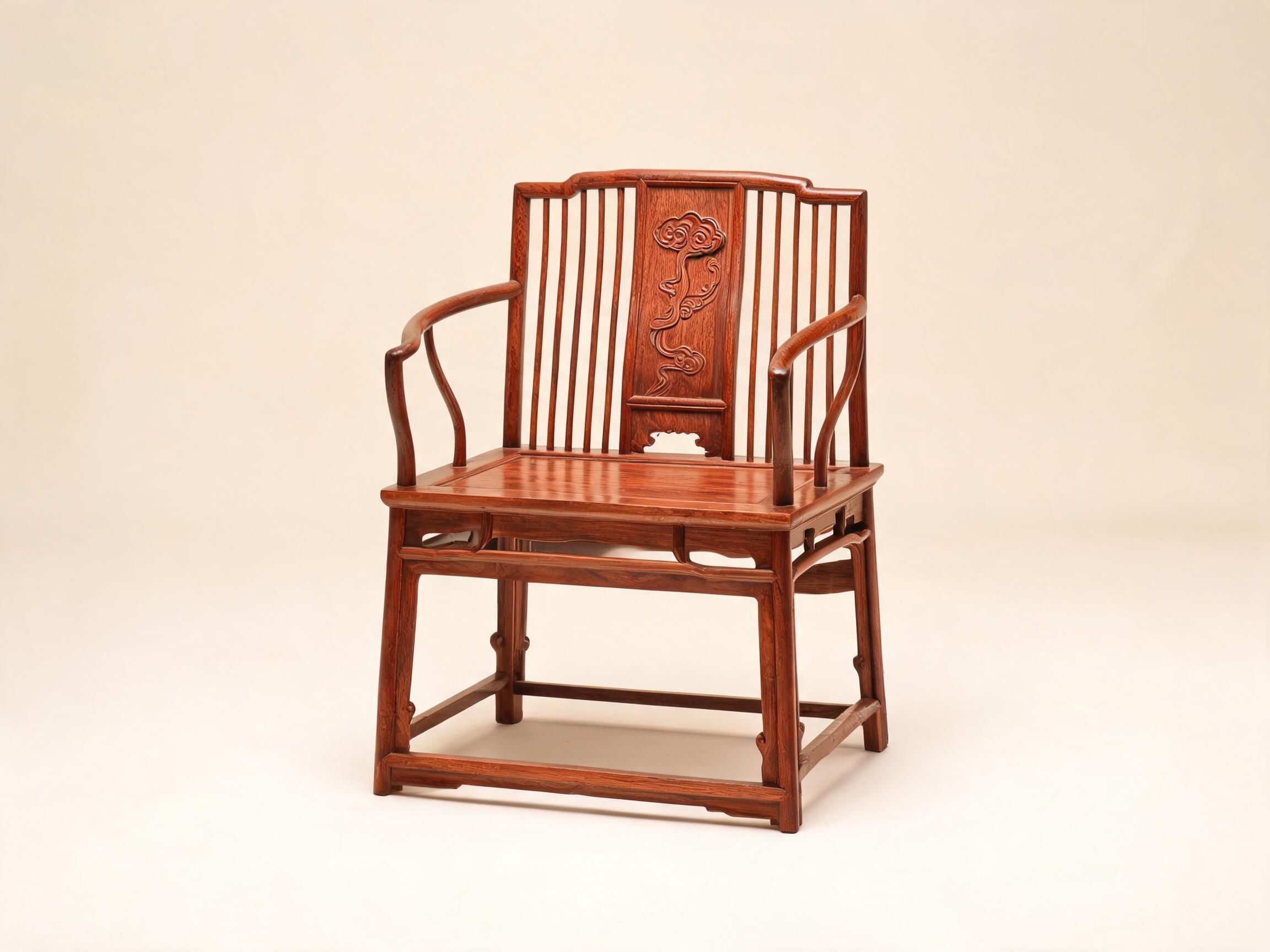
A practical comparison of Ming and Qing dynasty furniture styles for importers. Learn the design DNA of each period, how it translates into export-ready rosewood sofas, dining sets, and bedroom suites, and which style fits your market—plus a checklist for specifying orders to Chinese factories.
BUYER GUIDE · CLASSICAL REDWOOD FURNITURE
# Ming vs Qing Classical Chinese Furniture: Which Style Moves in Your Market? You are sourcing rosewood furniture from China, and your catalog options seem to split into two visual languages: stark, clean frames versus heavily carved, ornate pieces. Both are "classical Chinese," but they come from two very different dynasties—Ming (1368–1644) and Qing (1644–1912)—and they sell to very different customer bases. This guide explains the design DNA of each style, how factories translate it into export-ready classical redwood furniture, and how to write a spec sheet that gets you exactly the right sofa, dining, or bedroom set on the first container.
Key takeaways for importers:
## The Design DNA: What Actually Differs
### Ming Style Furniture (明式家具)
Ming furniture emerged from a period of economic stability and scholarly culture. The design philosophy is restraint: every line serves structure, every joint is visible and honest.
**Core characteristics:**
- **Clean, continuous lines**—straight legs, minimal curves, no superfluous decoration
- **Visible joinery**—mortise-and-tenon (榫卯 sǔn mǎo) joints are exposed and celebrated, not hidden
- **Minimal carving**—if present, it is shallow and confined to small areas like apron edges or spandrels
- **Proportional logic**—the height of a chair back, the depth of a table apron, and the spacing of stretchers follow strict geometric ratios
- **Lattice motifs**—geometric grilles (ice-crack pattern, ruyi-head, cloud patterns) in chair backs and cabinet doors, always flat and linear
The wood is the star. High-grade rosewood (huanghuali or hongmu) with rich grain is chosen precisely because the design does not cover it up.
### Qing Style Furniture (清式家具)
Qing furniture came later, under a dynasty that favored display of wealth and power. The design language shifted from scholarly restraint to imperial ornament.
**Core characteristics:**
- **Ornate carving**—high-relief and openwork carving across backs, aprons, legs, and armrests
- **Symbolic motifs**—dragons (龙), phoenixes (凤), bats (蝠, meaning "fortune"), peonies, cloud bands, and ruyi heads
- **Heavier proportions**—thicker legs, wider armrests, larger overall footprint
- **Mixed materials**—marble insets in tabletops and chair backs, mother-of-pearl inlay, sometimes gilded details
- **Curved, flowing silhouettes**—cabriole legs, cloud-shaped aprons, and bulbous finials
Qing furniture is designed to impress. It reads as "luxury" instantly, even to a viewer with no knowledge of Chinese history.
## Translating Dynasty Design into Export-Ready Rosewood Furniture
When you order from a Chinese factory, you are not buying a museum replica. You are buying a commercial interpretation. Here is how the two styles typically translate into the three main product categories:
- Ming style = clean lines, minimal carving, structural joinery. Best for modern interiors, Scandinavian-adjacent aesthetics, and buyers aged 30–50.
- Qing style = dense ornament, dragon/phoenix motifs, heavy presence. Best for traditional interiors, hospitality projects, and markets with a taste for opulence.
- Specify joinery, wood grade, and finish in writing—"Ming style" alone is not a spec. Factories need dimensions, panel counts, and carving density limits.
- Mixed containers work. A 40HQ can hold a Ming dining set and a Qing bedroom suite; just confirm packaging and loading plans with the factory.
| Category | Ming Style (Export Interpretation) | Qing Style (Export Interpretation) |
|---|---|---|
| Sofa / Seating | Low-back, straight-arm sofas with lattice panels in the backrest. Seat cushions optional. Frame shows full wood grain. | High-back, curved-arm sofas with deep relief carving on the back panel. Often includes marble or stone insets. Thick, turned legs. |
| Dining Set | Round or rectangular table with a clean apron, six or eight chairs with curved but unadorned backs. Minimal spandrel carving. | Large rectangular or round table with carved apron and cabriole legs. Chairs feature carved back splats with symbolic motifs. |
| Bedroom Suite | Platform bed with a simple headboard, often with lattice grille. Wardrobe with flat-panel doors and visible joinery. | Canopy bed (四柱床) with carved posts and panels. Wardrobe with deeply carved door panels and brass hardware. |
| Market | Better-Fit Style | Why |
|---|---|---|
| North America (US, Canada) | Ming (70% of demand) | Fits modern lofts, minimalist decor, and the "mid-century modern" aesthetic that overlaps with Ming's clean lines. Lower shipping weight per CBM also helps landed cost. |
| Western Europe (DE, FR, NL, UK) | Ming for residential; Qing for hospitality | Residential buyers prefer Ming's understated elegance. Hotels and restaurants often want Qing for lobby statement pieces and private dining rooms. |
| Middle East (UAE, KSA, Qatar) | Qing (80% of demand) | High-income buyers favor visible ornament and symbolic richness. Qing's heavy carving reads as "premium" in this market. |
| Southeast Asia (SG, MY, ID) | Mixed | Large Chinese-diaspora communities buy both. Qing for traditional homes and ancestral halls; Ming for modern condominiums. |
| Australia / NZ | Ming | Similar to North America—modern housing stock favors clean lines and lighter visual weight. |
The safest first container is a Ming dining set plus a Qing accent piece (a cabinet or a single sofa). You test two aesthetics with one freight cost.
## How to Specify Your Order to a Chinese Factory "Please send me your Ming style sofa" will get you a photo, not a production spec. Here is the checklist importers use to avoid the wrong container. ### 1. Define the Wood and Grade State the species explicitly. "Rosewood" is ambiguous. Specify: - **Hongmu (红木)** — the broad legal category under Chinese national standard GB/T 18107-2017 - **Specific species** — e.g., Pterocarpus macarocarpus (Burmese rosewood) or Dalbergia sissoo, depending on CITES status and your market's import rules - **Grain grade** — A, B, or C, and what that means for your price point ### 2. Specify Dimensions in Millimeters Do not say "large dining table." Write: - Table: 1800 × 900 × 750 mm (L × W × H) - Chair: 480 × 520 × 1050 mm (seat height 450 mm) - Sofa: 2100 × 850 × 900 mm (seating depth 550 mm) Include tolerance: "±10 mm on all dimensions unless approved." ### 3. Define Carving Density (for Qing) Use a simple scale: - **Level 1 (Light)** — carving on back splat and apron only - **Level 2 (Medium)** — carving on back, apron, and leg tops - **Level 3 (Heavy)** — openwork carving on all visible surfaces Add a reference photo. Factories work faster from a reference image than from adjectives. ### 4. Specify Joinery and Construction For Ming style, this is critical: - "All mortise-and-tenon joints, no metal fasteners in visible areas" - "Corner blocks allowed but must be hidden" - "Dovetail joints for drawer boxes" ### 5. Finish and Coating - **Natural wax finish** — lets the wood breathe, lower gloss, more "antique" feel - **PU lacquer** — more durable, higher gloss, better for high-traffic commercial use - **Color tone** — specify "keep natural color" or "darken to walnut tone" with a sample ### 6. Packaging and Loading - **Standard export packing** — 3-layer carton with foam corners, or wooden crate for carved pieces - **Loading** — confirm whether the factory can do mixed-style loading in one 40HQ - **Moisture content** — specify kiln-dried wood at 8–12% MC to prevent cracking in dry climates ## Common Mistakes Importers Make **1. Assuming "Ming style" means "cheap."** It does not. A Ming piece with A-grade rosewood and hand-cut joinery can cost more than a heavily carved Qing piece with lower-grade wood. The cost driver is wood quality and joinery labor, not carving volume. **2. Ordering Qing without specifying carving depth.** Factories will default to the cheapest carving depth that reads as "carved" in a photo. You receive shallow, flat carving that looks cheap in person. Specify "high-relief" or "openwork" explicitly. **3. Ignoring CITES for rosewood species.** Many rosewood species are CITES-listed. Confirm your target species is legal to import into your country before placing the order. Ask the factory for the species certificate and export permit. If they hesitate, walk away. **4. Mixing styles in one room without a plan.** A Ming sofa with a Qing coffee table rarely works. If you are buying for a project, order the full room set from one style. If you are testing the market, use a mixed container but keep pieces in separate rooms. ## FAQ: Quick Answers for Buyers **Q: Can I get a Ming-style sofa with a higher back for Western comfort?** Yes. Factories commonly adjust Ming proportions to Western ergonomics. Specify seat height (typically 450–480 mm) and back height (900–1100 mm) explicitly. The design language stays Ming, but the comfort profile becomes Western. **Q: What is the typical MOQ for a custom rosewood order?** This varies by factory. Many accept a single 40HQ container as a starting order, which can hold roughly 15–25 pieces depending on size. Some factories offer LCL (less than container load) for sample orders. Confirm MOQ and sample policy before negotiating price. **Q: How do I verify the wood is really rosewood and not a substitute?** Ask for a sample with the order. Have it tested by an independent lab (e.g., wood identification via microscopic analysis) before mass production. Reputable factories will provide a species certificate. If the price is significantly below market, the wood is likely a substitute. **Q: What is the typical lead time?** A standard 40HQ order of classical redwood furniture typically takes 45–75 days from order confirmation to shipment, depending on carving complexity and factory load. Confirm the production schedule in writing. ## Final Advice for Your First Order Start with a small, well-specified order. Pick one style—Ming if your market skews modern, Qing if it skews traditional. Order one category (dining or sofa) rather than a full house. Ask for a pre-production sample or photo approval at each stage: wood selection, joinery, carving, and finish. The difference between a container that sells and a container that sits in your warehouse is usually not the dynasty—it is the precision of your spec sheet. Give the factory exact dimensions, carving levels, wood grades, and finish requirements, and you will get a product that matches your market's expectations.READY TO SPEC YOUR ORDER?
Contact our team with your target market and product category. We will send you the current export catalog with dimensions, wood grades, and MOQ details for both Ming and Qing classical redwood furniture lines.