
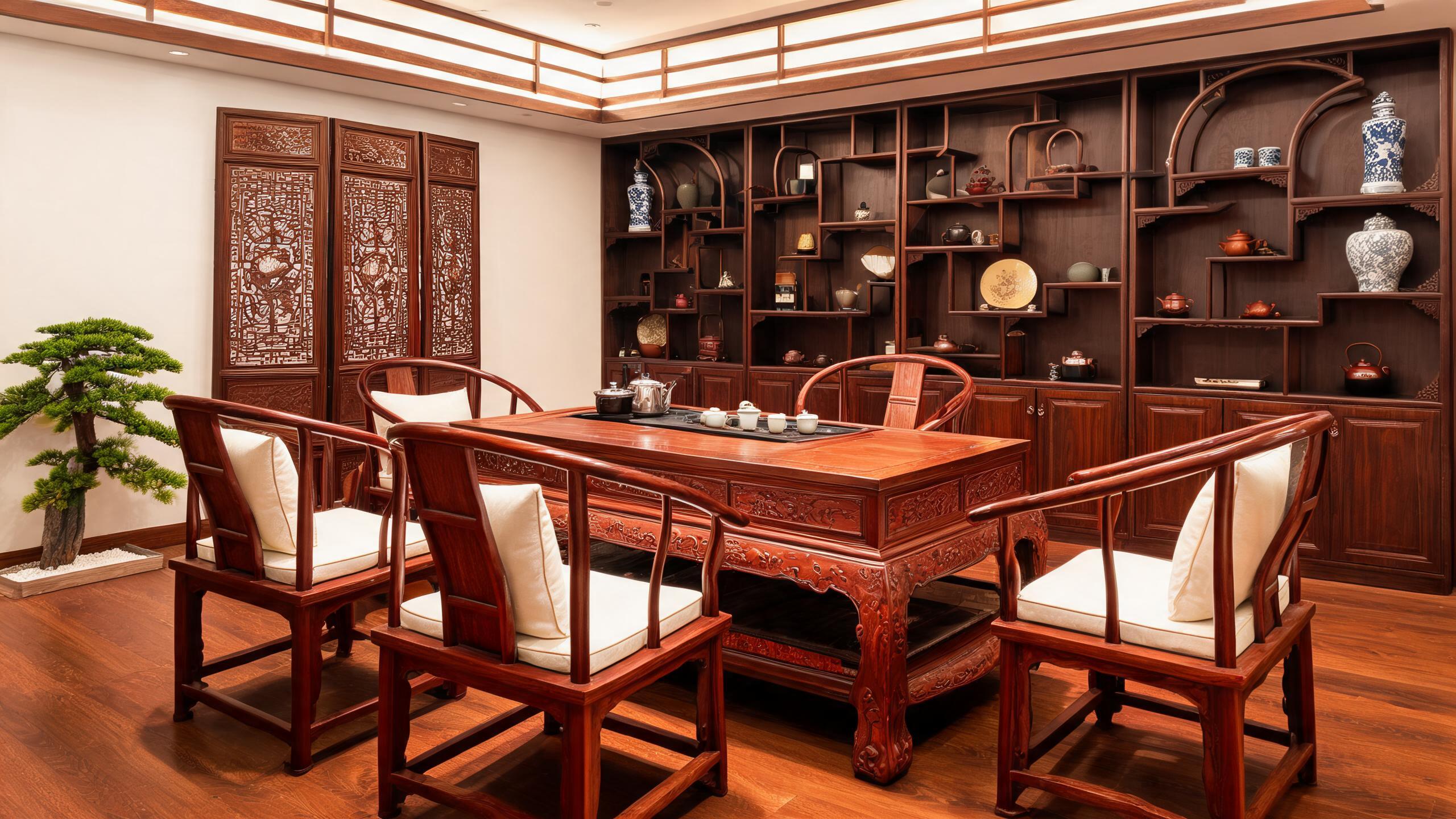
Una guía práctica para el comprador sobre el cuidado y mantenimiento de muebles de palisandro macizo: control de la humedad, limpieza, encerado, cuidado del lacado, protección solar, mudanzas, reparaciones, restauración profesional, garantía, entornos comerciales y una lista de verificación estacional, basada en datos reales de fabricación.
Product News · Buyer Guide
How to Care for and Maintain Solid Rosewood Furniture for Long-Lasting Value
Solid rosewood furniture is an investment that can serve a family, a hotel, or a showroom for generations. But the same dense, oily hardwood that makes it beautiful also makes it sensitive to the environment around it. This guide explains, in practical terms, how to protect your rosewood pieces — from humidity control and daily cleaning to waxing, lacquer care, sun protection, moving, and repairs — so the carving stays crisp and the colour stays rich for decades.
Why Solid Rosewood Needs Special Care
Rosewood — and the Siamese rosewood (Dalbergia cochinchinensis) used in classical Chinese furniture — is a dense, naturally oily hardwood. That density and oil content give it a deep, warm colour and a resistance to everyday wear that softwoods simply do not have. But they also mean the wood reacts to changes in moisture and temperature more noticeably than many buyers expect.
Wood is hygroscopic: it absorbs and releases moisture from the air. When the air is humid, the wood takes on moisture and swells slightly; when the air is dry, it gives off moisture and shrinks. In a well-made piece, the joinery is designed to allow for this natural movement. At Yunxiao, for example, frames are assembled with mortise-and-tenon joints and bamboo dowel pins rather than metal fasteners, precisely so the wood can move without cracking or splitting. The timber is also kiln-dried to below 14 percent moisture content and conditioned over a 36-day constant-humidity cycle before it is ever cut into furniture.
That careful preparation in the factory is the foundation. But once the furniture reaches your climate — whether that is a humid coastal city, a dry inland region, or a climate-controlled hotel lobby — the way you care for it determines how well it holds up. The single most important thing to understand is this: most damage to solid rosewood furniture comes not from use, but from the environment.
Understanding Wood Movement: The Science Behind the Care
To care for rosewood well, it helps to understand what is actually happening inside the wood. Solid wood is not a static material; it is a bundle of long, hollow cells that constantly exchange moisture with the air around them. When the relative humidity of a room rises, those cells absorb water vapour and the wood expands. When the air dries out, the cells release moisture and the wood contracts.
This movement is not uniform. Wood expands and contracts far more across its width (perpendicular to the grain) than it does along its length. That is why a wide tabletop moves more noticeably than a tall chair leg, and why tabletops are often built with edge-joined boards and floating panels that allow each board to move independently. A well-designed piece anticipates this movement; a poorly designed one fights it, and the result is cracking or warping.
The moisture content of the wood at the time it is made matters enormously. If timber is not dried properly before it is cut, it will continue to lose moisture after the furniture is built, shrinking and opening up joints. This is why proper kiln drying is not a luxury but a necessity. At Yunxiao, timber is kiln-dried to below 14 percent moisture content and then conditioned over a 36-day constant-humidity cycle, so the wood reaches a stable state before it becomes furniture. When you buy a piece, you can ask the supplier about the moisture content of the timber and the drying process — it is a direct indicator of how stable the piece will be in your climate.
The practical takeaway
Because wood moves with humidity, the single most effective thing you can do is keep the humidity around your furniture stable. A piece that lives in a stable 40–60% environment will move very little and stay tight for decades. A piece that swings between 20% and 80% will be stressed constantly, no matter how well it was made.
The Golden Rule: Control Humidity and Temperature
If you remember only one thing from this guide, remember this: rosewood furniture is happiest in a stable environment. Rapid swings in humidity and temperature are the leading cause of cracks, warping, and loose joints.
The ideal indoor relative humidity for solid wood furniture is roughly 40 to 60 percent, with a comfortable room temperature. The wood has been conditioned to a stable moisture content, and it wants to stay there. When the air around it stays in that range, the wood barely moves, and the joinery stays tight.
What to watch for in different climates
Humid climates (coastal cities, tropical regions, summer months): High humidity makes the wood swell. You may notice drawers that stick or doors that are harder to close. This is usually temporary and not a defect — the wood is simply absorbing moisture. Keep the room ventilated and, if humidity regularly exceeds 60 percent, use a dehumidifier in the room where the furniture lives.
Dry climates (inland regions, winter heating, air conditioning): Low humidity makes the wood shrink. This is the more dangerous direction, because shrinkage can open up joints and, in extreme cases, cause surface checks (fine cracks) along the grain. If the air in your room drops below 40 percent humidity — common in winter when heating is on — use a humidifier. A small room humidifier is usually enough.
Rapid changes: The worst scenario is a fast swing — for example, moving a piece from an air-conditioned room into a hot, humid outdoor space, or placing it near a heat vent that cycles on and off. Sudden changes stress the wood far more than a gradual seasonal shift.
Practical tools for humidity control
A digital hygrometer is inexpensive and tells you the room's relative humidity at a glance. Place one near your furniture and check it seasonally.
A humidifier is the answer in dry months. A small ultrasonic or evaporative unit can raise a room's humidity by 10–20 percent, which is usually enough.
A dehumidifier helps in humid coastal or tropical climates, or in basements and rooms with poor ventilation.
Air conditioning removes moisture from the air, so in summer a well-run AC system can actually help keep humidity in range — but avoid pointing the airflow directly at the furniture.
A practical humidity target
Aim to keep the room between 40% and 60% relative humidity year-round. If you can feel the air change noticeably when you walk into the room, the furniture feels it too. A simple digital hygrometer costs little and removes the guesswork.
Daily and Weekly Cleaning
Regular, gentle cleaning is the easiest way to keep rosewood looking its best. The goal is to remove dust before it settles into the carved recesses, and to avoid anything that strips the finish or scratches the surface.
Dusting
Use a soft, lint-free cotton cloth or a microfiber duster. Dust at least once a week, more often in rooms with open windows or heavy foot traffic.
For carved areas — the phoenix-and-peony backrests, cloud aprons, and lattice panels — use a soft-bristled brush (a clean, dry paintbrush or a soft makeup brush works well) to lift dust out of the recesses. Do not press hard; the carving is meant to be admired, not scrubbed.
Always dust in the direction of the wood grain where possible, and avoid circular scrubbing that can leave fine swirl marks on a polished surface.
Wiping and spot cleaning
For everyday marks, wipe with a cloth that is damp, not wet. Wring the cloth out thoroughly so no water pools on the surface. Water left standing on rosewood can leave white rings or dull the lacquer.
Dry the surface immediately with a second soft cloth after wiping.
For sticky spots or dried residue, use a very small amount of mild soap diluted in water on the damp cloth, then wipe again with a clean damp cloth and dry. Avoid harsh detergents, ammonia-based cleaners, and any product labelled for "all-purpose" use that contains solvents.
Never use silicone-based polishes or "lemon oil" sprays sold for general furniture. Many contain silicones that build up a film over time, dull the finish, and make future refinishing difficult.
What to avoid on the surface
Steer clear of abrasive pads, scouring powders, alcohol, nail-polish remover, and any cleaner with bleach or ammonia. These can strip or cloud the lacquer finish and are very difficult to repair without professional refinishing.
Identifying Your Finish: Lacquer, Oil, or Wax
Before you decide how to care for a piece, you need to know what is on its surface. Rosewood furniture can be finished in several ways, and each needs slightly different care. Getting this wrong is one of the most common — and most damaging — mistakes buyers make.
Lacquer finishes
Lacquer is a hard, protective coating that dries to a smooth, often glossy or satin surface. Classical Chinese rosewood furniture is traditionally finished with multiple hand-applied coats of raw lacquer, each cured and hand-rubbed. At Yunxiao, pieces receive several coats of raw lacquer, and some lines use an eco-friendly beeswax and lacquer finish that meets EU REACH and US CARB standards. Lacquer protects the wood from moisture and everyday wear, and it is the most common finish on export-grade rosewood furniture.
How to identify it: The surface feels smooth and hard, and water beads up rather than soaking in. It has a distinct sheen.
How to care for it: Dust regularly. A high-gloss lacquer in good condition may not need wax at all. If you do wax, use a very light coat of quality beeswax and buff well.
Oil finishes
An oil finish penetrates the wood rather than sitting on top of it. It gives a more natural, matte look and lets you feel the wood grain. Oil-finished pieces need more regular attention because the oil can dry out over time.
How to identify it: The surface feels like bare wood, with no hard coating. Water may darken the wood slightly before drying.
How to care for it: Reapply a thin coat of a suitable furniture oil or wax periodically to keep the wood nourished. Follow the manufacturer's recommendation.
Wax finishes
A wax finish is a thin protective layer of wax over the wood. It is soft and natural-looking but offers less protection than lacquer, so it needs more frequent reapplication.
How to identify it: The surface has a soft, low sheen and a slightly waxy feel. A fingernail may leave a faint mark.
How to care for it: Reapply quality beeswax every few months, and be careful with liquids, which can penetrate a wax finish more easily.
When in doubt, ask
If you are unsure what finish your piece has, test an inconspicuous area first, or ask the supplier. Applying the wrong product can change the appearance permanently. A reputable manufacturer will tell you exactly what finish was used and how to care for it.
Protecting the Finish: Lacquer and Beeswax
Classical rosewood furniture is finished with a hand-applied lacquer — at Yunxiao, pieces receive multiple coats of raw lacquer, each cured and hand-rubbed, and some lines use an eco-friendly beeswax and lacquer finish that meets EU REACH and US CARB standards. This finish is what gives the wood its deep, satin sheen and protects it from moisture and everyday wear. Caring for the finish is caring for the furniture.
Waxing
A high-quality natural furniture wax (beeswax-based is ideal) nourishes the finish and adds a subtle protective layer. Waxing is not needed often — once or twice a year is plenty for most pieces.
To wax, apply a thin, even coat with a soft cloth, working with the grain. Let it sit for the time the product recommends, then buff with a clean dry cloth to a soft sheen.
Do not over-wax. A heavy build-up of wax can look cloudy and attract dust. Thin coats, buffed well, are always better than thick ones.
When not to wax
If the piece has a high-gloss lacquer finish that is in good condition, it may not need wax at all — a clean, dry dusting is enough. Wax is most useful on matte or oil-finished surfaces.
If you are unsure what finish your piece has, test an inconspicuous area first, or ask the supplier. Applying the wrong product can change the appearance permanently.
Sunlight and Heat: The Silent Enemies
Direct sunlight is one of the most damaging things for rosewood. The ultraviolet (UV) component of sunlight bleaches the rich red-brown colour over time, leaving the wood faded and uneven. The heat from direct sun also dries the surface faster than the interior, which can cause surface checking.
Position rosewood furniture out of direct, prolonged sunlight. If a piece must sit near a window, use curtains, blinds, or UV-filtering window film.
Rotate or rearrange pieces occasionally so that any slight colour change develops evenly across the set.
Keep furniture away from radiators, heat vents, fireplaces, and air-conditioning units. The heat and dry air they produce stress the wood and can cause cracking.
Never place hot items — cups, plates, serving dishes — directly on the surface. Always use coasters, trivets, or placemats. A hot object can leave a permanent white mark in the lacquer.
Understanding colour change
It is worth knowing that rosewood naturally darkens and deepens in colour over time as it is exposed to light. This is a normal, desirable ageing process — the wood develops a richer patina. The problem is not the natural darkening, but the uneven fading caused by direct sunlight on only part of a piece. That is why you should keep direct sun off the furniture and rotate pieces occasionally, so any colour change develops evenly.
Using the Furniture: Coasters, Placement, and Weight
Rosewood is hard and durable, but it is not indestructible. A few habits protect both the surface and the structure.
Use coasters and placemats under drinks, hot dishes, and anything that might scratch. This is the simplest habit and prevents most surface damage.
Lift, don't drag. When moving a chair, table, or cabinet, lift it rather than dragging it across the floor. Dragging can loosen joints and scratch the legs.
Use felt pads under the feet of chairs and tables if they sit on hard flooring, to protect both the floor and the furniture.
Distribute weight sensibly. A dining table is designed to hold a full table setting and serving dishes, but avoid standing on it or placing extreme, concentrated loads on unsupported areas.
Protect the surface from moisture rings. If a glass or bottle is left on the surface, condensation can form and leave a white ring. Coasters prevent this entirely.
Caring for Different Furniture Types
Different pieces of rosewood furniture face different kinds of wear. Here is how to tailor your care to the most common types.
Sofa and seating sets
Seating pieces take the most physical stress, so check the joints and legs periodically for any looseness.
The carved backrests and armrests collect dust in their recesses — brush them gently and regularly.
If the set has upholstered cushions, follow the cushion manufacturer's care instructions, and keep the wood frame clean separately.
Rotate cushions if they are reversible, so they wear evenly.
Dining tables and chairs
Dining tables face heat, moisture, and spills every day. Always use placemats, trivets, and coasters.
Wipe spills immediately — a damp cloth, then dry. Do not let liquid sit on the surface.
Check the tabletop for any signs of warping along its length, especially in climates with big seasonal humidity swings.
Chair legs and rungs take stress from sitting and moving — check them for looseness and tighten or repair early.
Bedroom sets and wardrobes
Wardrobe doors and drawers are the parts most affected by humidity. If they stick in humid months, that is normal swelling — keep the room ventilated.
Do not overfill drawers or shelves; excessive weight can stress the joinery.
Keep the interior of wardrobes dry and well-ventilated to prevent musty odours and moisture build-up.
Display cabinets and carved pieces
Display cabinets with lattice doors and carved panels need gentle dusting of the carved areas with a soft brush.
Glass doors should be cleaned with a glass cleaner, taking care not to let the cleaner drip onto the wood frame.
Avoid placing heavy or sharp objects inside that could scratch the shelves or interior.
Caring for Rosewood in Hospitality and Commercial Settings
Hotels, restaurants, showrooms, and corporate spaces place very different demands on rosewood furniture than a private home. The furniture is used more heavily, cleaned more often, and exposed to more people. With the right routine, commercial rosewood furniture can still last for decades — but the care needs to be more disciplined.
Establish a cleaning schedule. In a commercial setting, dust daily and do a deeper clean weekly. Assign responsibility so care is consistent.
Train staff on the basics. Make sure housekeeping and service staff know to use a damp (not wet) cloth, to wipe spills immediately, and never to use harsh cleaners or abrasive pads on the wood.
Use protective layers. In dining areas, use tablecloths, placemats, and coasters as standard. In lobbies and reception areas, use felt pads under decorative items.
Monitor high-traffic pieces. Seating in lobbies and dining rooms takes heavy use — inspect joints and legs regularly and address any looseness early.
Control the environment. Commercial HVAC systems can dry the air significantly. Monitor humidity in guest rooms, lobbies, and dining areas, and use humidifiers where needed.
Plan for periodic professional maintenance. For heavily used commercial pieces, schedule a professional inspection and touch-up every few years to keep the finish and joinery in top condition.
A note for hospitality buyers
If you are furnishing a hotel or resort, the care routine is part of your operating plan. Choose furniture built on stable, well-dried timber and proper joinery — it will be far easier for your staff to maintain than a piece that fights the environment. Ask your supplier about moisture content, finish, and warranty before you commit.
Seasonal Care and Climate Changes
Wood furniture responds to the seasons. Understanding what to expect helps you tell normal behaviour from a real problem.
What is normal
Drawers or doors that stick slightly in humid months — the wood has swelled. This usually resolves as humidity drops.
Small, hairline surface checks in very dry conditions — these are often cosmetic and can be addressed with wax or a light touch of matching finish. They are not structural failures.
Minor seasonal movement in tabletops or panels — this is the wood breathing, and well-made joinery accommodates it.
When to act
If a joint visibly opens or a panel develops a crack that grows, address it early. A small repair is far easier than a large one.
If the room is consistently below 40% or above 60% humidity, take corrective action (humidifier or dehumidifier) rather than waiting for damage.
If you notice a persistent white ring or a cloudy patch on the finish, treat it promptly — see the repair section below.
Moving and Transporting Rosewood Furniture
Moving is when many pieces get damaged, usually because of careless handling or exposure to extreme conditions during transit. Whether you are moving a single piece across town or shipping a container across the ocean, the principles are the same.
Empty the piece. Remove drawers, shelves, and loose components before moving. Carry them separately and pad them.
Lift from the base, not the top. Never lift a cabinet or table by its top, backrest, or carved panels. These are not designed to bear the full weight.
Protect the surface. Wrap the piece in soft cloth or furniture blankets, and use corner protectors on edges and carved areas.
Avoid extreme temperature exposure. Do not leave furniture in a freezing truck or a hot, humid warehouse for long periods. Sudden climate change in transit is a common cause of cracking.
For export shipments, rely on proper packing. At Yunxiao, pieces are wrapped in acid-free tissue paper and corrugated cardboard, then packed in ISPM-15 heat-treated wooden crates with foam corner blocks — engineered to protect delicate carvings during ocean freight. If you are moving a piece yourself, aim for a similar level of protection.
Acclimatising after a move
After a piece arrives in a new environment — especially after a long journey or a move between very different climates — give it time to acclimatise before you judge its condition. Wood needs weeks to adjust to a new humidity level. If a drawer sticks or a panel moves slightly in the first month, that is often the wood settling into its new home, not a defect. Keep the room humidity stable and give the piece time.
Dealing with Common Problems
Even with good care, minor issues can arise. Here is how to handle the most common ones safely.
White rings from moisture
A white ring or cloudy patch is usually moisture trapped in the finish, not damage to the wood itself. Try these steps in order, from gentlest to most involved:
First, try a very light application of a quality furniture polish or a small amount of beeswax, buffed gently. Sometimes this is enough to blend the mark.
If that does not work, a mild heat method can help: place a dry cloth over the mark and pass a warm (not hot) iron over it briefly, or use a hairdryer on a low, warm setting held at a distance. The gentle heat can drive the trapped moisture out of the finish. Test on an inconspicuous area first.
If the mark persists, consult a professional refinisher. Do not sand the surface yourself — you can easily remove the finish and damage the wood.
Scratches and scuffs
For light surface scratches, a touch of matching furniture wax or a quality polish, buffed along the grain, often minimizes their appearance.
For deeper scratches that reach the wood, a professional can blend the finish. Trying to hide a deep scratch with a marker or shoe polish usually makes it worse.
Loose joints
A slightly loose joint in very dry conditions is often a sign the wood has shrunk. Before doing anything, raise the room humidity and give the piece a few weeks to re-acclimatize — the joint may tighten on its own.
If a joint remains loose, contact the supplier or a professional. Do not try to force glue into a mortise-and-tenon joint yourself; improper repair can cause more damage.
Cracks and checks
A fine surface check along the grain is often cosmetic. Keep the surface waxed and the humidity stable, and it may not progress.
A crack that grows or opens a joint should be assessed by a professional. Early attention prevents a small issue from becoming a structural one.
Professional Restoration and When to Call an Expert
Some problems are best left to a professional. Knowing when to stop DIY and call an expert can save your furniture from serious damage.
When to call a professional
Deep scratches or gouges that reach the wood and need the finish blended.
Structural issues such as a joint that will not stay tight, a panel that has cracked through, or a leg that has become unstable.
Finish damage such as a large cloudy patch, peeling lacquer, or a finish that has been stripped by the wrong cleaner.
Water damage that has penetrated the finish and stained the wood itself.
What a professional can do
Re-glue and re-fit mortise-and-tenon joints using proper techniques and clamps.
Blend or reapply the finish so repairs are invisible.
Stabilise cracks and checks with appropriate fillers and matching finish.
Restore faded or damaged surfaces to match the rest of the piece.
A caution about DIY
The most common cause of permanent damage to rosewood is well-meaning but incorrect DIY repair — sanding a finish off, forcing glue into a joint, or using the wrong solvent. When in doubt, stop and consult a professional. A small consultation fee is far cheaper than a ruined heirloom.
Warranty and After-Sales Support
Good care starts with a good purchase. When you buy rosewood furniture, understand what warranty and after-sales support come with it, because that affects how you should handle any problems.
Ask about the warranty. A reputable manufacturer will stand behind the structural integrity of the piece. For example, Yunxiao offers a 24-month structural warranty covering joinery failure and frame cracking under normal indoor use.
Understand what is covered. Structural issues (joinery, cracking) are typically covered; cosmetic wear from normal use, or damage from misuse or extreme conditions, usually is not.
Keep your documentation. Retain the invoice, any warranty certificate, and the care instructions that came with the piece. This makes it easier to claim support if you need it.
Contact the supplier early. If a structural problem appears, contact the supplier before attempting any repair. Attempting a DIY fix can void a warranty.
Sourcing Considerations: What to Ask Before You Buy
The easiest way to make care simple is to buy a piece that is well made in the first place. Before you commit to a rosewood furniture order, ask your supplier a few targeted questions. The answers tell you how much care the piece will need and how well it will hold up in your climate.
What is the moisture content of the timber? Well-dried timber (below 14 percent) is far more stable and less likely to crack or warp after it reaches you.
How is the timber dried and conditioned? A proper kiln-drying and conditioning process, such as a constant-humidity cycle, reduces post-sale movement.
What joinery is used? Mortise-and-tenon joinery with bamboo dowel pins, and no metal fasteners in the primary frame, allows the wood to move without splitting.
What finish is applied, and is it compliant? A durable lacquer or beeswax-and-lacquer finish that meets EU REACH and US CARB standards protects the surface and is safe for indoor use.
How is the piece packed for export? ISPM-15 heat-treated crates with moisture barriers protect the wood during ocean freight, so it arrives in good condition.
What warranty and after-sales support are offered? A structural warranty and responsive support give you confidence and a clear path if a problem arises.
A supplier who can answer these questions clearly is one who has controlled the variables that make care easy. A piece built on stable, well-dried timber and proper joinery is far easier to maintain than one that is not.
Common Care Mistakes to Avoid
Most damage to rosewood furniture comes from a handful of avoidable mistakes. Here are the ones we see most often, and how to avoid them.
Using silicone-based polishes. They build up a film that dulls the finish and makes future refinishing difficult. Use quality beeswax instead.
Leaving water or hot items on the surface. Both cause white rings and finish damage. Use coasters and trivets, and wipe spills immediately.
Placing furniture in direct sunlight. UV light fades the colour unevenly. Use curtains or UV-filtering film.
Ignoring humidity. A room that is too dry or too humid stresses the wood constantly. Monitor and correct it.
Dragging furniture instead of lifting it. This loosens joints and scratches legs. Always lift.
Using harsh cleaners. Ammonia, bleach, and abrasive pads strip or cloud the finish. Use a damp cloth and mild soap only.
Over-waxing. Too much wax looks cloudy and attracts dust. Thin coats, buffed well, are best.
Attempting DIY repairs on structural issues. Forcing glue into a joint or sanding a finish usually makes things worse. Call a professional.
A Seasonal Care Checklist
To make care simple, here is a practical checklist you can follow through the year.
Frequency | Task |
|---|---|
Weekly | Dust the surface and carved areas with a soft cloth and soft brush. |
As needed | Wipe spills immediately with a damp (not wet) cloth, then dry. |
Monthly | Check room humidity; adjust humidifier or dehumidifier if outside 40–60%. |
Every 6–12 months | Apply a thin coat of quality beeswax furniture wax and buff. |
Seasonally | Inspect joints, panels, and finish for any changes; address issues early. |
Before moving | Empty, pad, and protect the piece; avoid extreme temperature exposure. |
How Good Manufacturing Makes Care Easier
The best care routine in the world cannot fix a poorly made piece. The reason well-made rosewood furniture is easier to maintain is that the manufacturing process anticipates the wood's behaviour.
At Yunxiao, several steps reduce the care burden for the buyer:
Proper drying: Timber is kiln-dried to below 14 percent moisture content and conditioned over a 36-day constant-humidity cycle before cutting. This minimizes post-sale movement and cracking.
Joinery that moves with the wood: Mortise-and-tenon joints with bamboo dowel pins, and no metal fasteners in the primary frame, allow the wood to expand and contract without splitting.
Durable, compliant finishes: Multiple hand-applied coats of raw lacquer, and eco-friendly beeswax and lacquer finishes that meet EU REACH and US CARB standards, protect the surface and are safe for indoor use.
Protective export packing: ISPM-15 heat-treated crates and moisture barriers keep the wood stable during ocean freight, so it arrives in good condition.
When you buy from a manufacturer that controls these variables, your care routine is simple: keep the environment stable, dust regularly, wax occasionally, and protect the surface from heat and moisture. The furniture does the rest.
Frequently Asked Questions
How often should I wax my rosewood furniture?
Once or twice a year is usually enough. Apply a thin coat of quality beeswax furniture wax, let it sit briefly, and buff with a clean dry cloth. Over-waxing can look cloudy, so thin coats are better than thick ones.
Can I use lemon oil or silicone polish on rosewood?
Avoid silicone-based polishes and many "lemon oil" sprays. Silicones build up a film that dulls the finish and makes future refinishing difficult. A quality beeswax or a product designed for lacquered wood is safer.
What humidity level is best for solid rosewood furniture?
Aim for 40 to 60 percent relative humidity. Below 40 percent the wood can dry and shrink; above 60 percent it can swell. A stable environment is the single most important factor in preventing cracks and loose joints.
My drawer sticks in summer. Is the furniture defective?
Usually not. In humid months, wood absorbs moisture and swells slightly, which can make drawers and doors stick. This is normal and typically resolves as humidity drops. If it persists, check the room humidity and consider a dehumidifier.
How do I remove a white ring left by a glass?
A white ring is usually moisture trapped in the finish. Try a light application of furniture polish or beeswax first. If that does not work, gentle warmth (a warm iron over a dry cloth, or a hairdryer on low at a distance) can drive the moisture out. If it persists, consult a professional — do not sand it yourself.
Should I keep rosewood furniture out of direct sunlight?
Yes. Direct sunlight bleaches the rich colour over time and dries the surface unevenly. Use curtains, blinds, or UV-filtering film, and keep pieces away from radiators and heat vents.
What should I do if a joint becomes loose?
First, check the room humidity — a loose joint in dry conditions often tightens once humidity is restored. If it remains loose, contact the supplier or a professional. Do not force glue into a mortise-and-tenon joint yourself.
How should rosewood furniture be packed for moving or shipping?
Empty the piece, wrap it in soft cloth or furniture blankets, protect edges and carvings with corner protectors, and avoid extreme temperature exposure. For export, proper ISPM-15 heat-treated crating with moisture barriers protects the wood during ocean freight.
Does rosewood darken over time?
Yes. Rosewood naturally deepens in colour as it is exposed to light, developing a richer patina. This is normal and desirable. The problem is uneven fading from direct sunlight, so keep pieces out of direct sun and rotate them occasionally.
What should I do if I spill liquid on rosewood?
Wipe it up immediately with a damp (not wet) cloth, then dry the surface with a clean cloth. Do not let liquid sit. If a white ring forms, treat it promptly as described in the repair section.
The Bottom Line
Solid rosewood furniture rewards the buyer who understands it. It is not fragile — it is one of the most durable hardwoods in the world. But it is a natural material, and it responds to its environment. Keep the humidity stable between 40 and 60 percent, dust regularly, wax occasionally, protect the surface from heat and moisture, and lift rather than drag. Do these simple things, and a well-made rosewood piece will keep its deep colour, crisp carving, and solid structure for decades — and hold its value as an heirloom for generations.
If you are sourcing rosewood furniture and want to understand how a piece is made before you buy — from drying and joinery to finishing and export packing — the manufacturing choices matter as much as the care routine. A piece built on stable, well-dried timber and proper joinery is far easier to maintain than one that is not. Ask your supplier about moisture content, joinery, and finish, and you will know exactly what your care routine needs to be.