
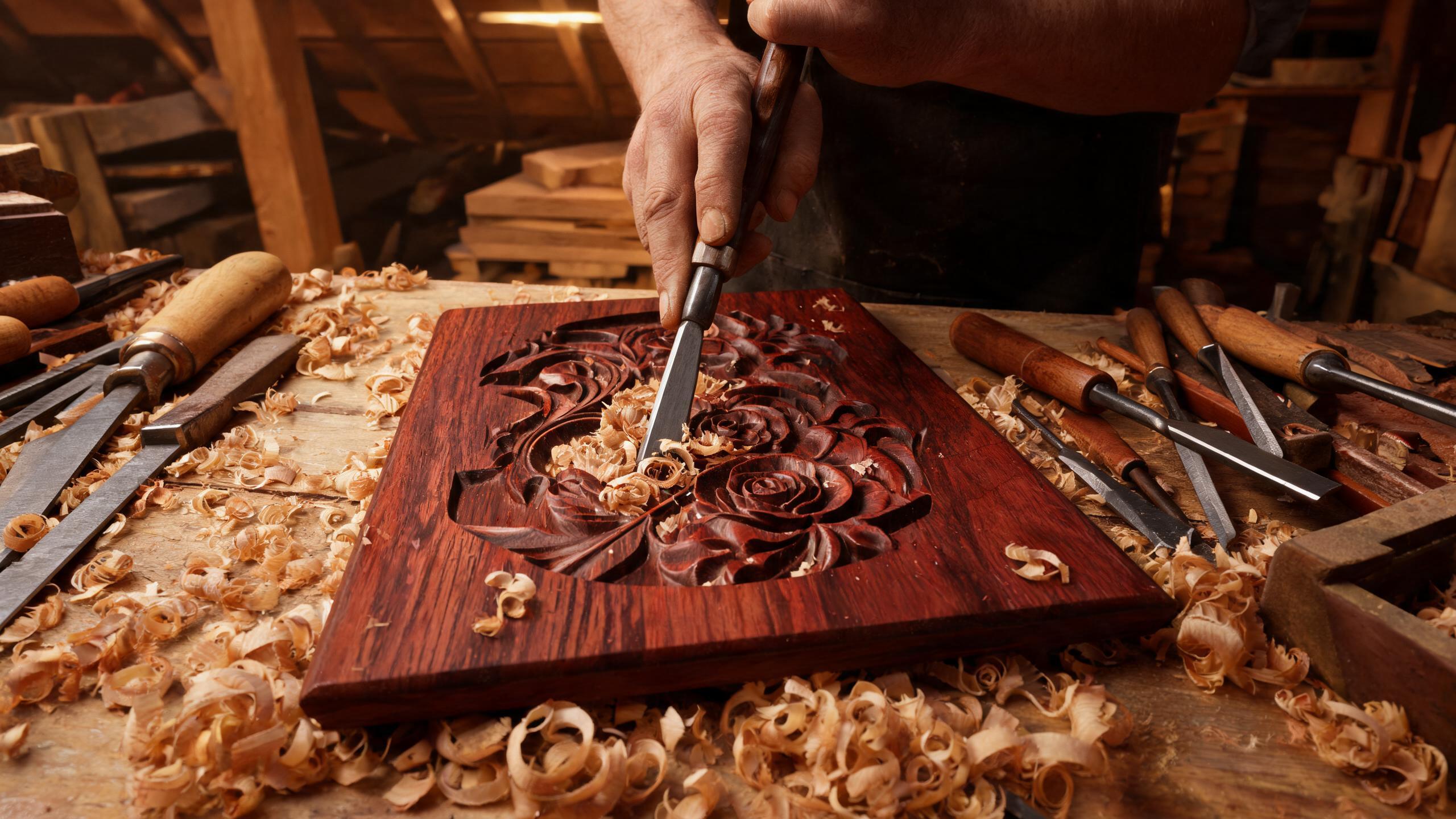
A practical B2B guide for importers, wholesalers, and project buyers comparing oil, wax, and lacquer finishes for rosewood furniture. Covers cleaning vs. oiling, climate considerations, factory finishing standards, and maintenance planning.
BUYER GUIDE
If you import, wholesale, or specify rosewood furniture for hotel villas and residential projects, you have likely asked this question more than once: what is the best oil for rosewood furniture? The short answer is that it depends on how the piece was finished at the factory. The longer answer involves understanding the difference between oiling, waxing, and lacquering, and how each finish behaves in different climates. This guide is written for buyers who need to make maintenance plans, train their teams, and advise their customers without guessing.
- Before choosing an oil, identify the existing finish. Oiling a lacquered surface is wasted effort and can damage the coat.
- Factory-applied beeswax and lacquer finishes meeting EU REACH and US CARB standards offer a clear compliance baseline for export markets.
- Climate drives the maintenance schedule. Humid regions like Southeast Asia and parts of Australia need different care than dry or air-conditioned environments.
- Cleaning is not the same as oiling. Most damage comes from over-oiling and using the wrong cleaners.
- For project buyers, specifying the finish at the factory is more reliable than trying to change it after delivery.
Why the Finish Matters More Than the Oil
Rosewood is dense, oily, and naturally resistant to moisture. That natural oil content is why it survives in tropical climates. But it also means the wood does not absorb finishes the same way as oak or teak. If you apply an oil that is too heavy, it sits on the surface, attracts dust, and can leave a sticky film. If you apply wax over a lacquered piece, it has nothing to bond to and will smear.
The first question is never "which oil?" It is "what is already on this piece?"
Most commercial rosewood furniture falls into one of three categories:
- Oiled surfaces: The wood has been treated with penetrating oil, often tung or teak oil. These pieces need periodic re-oiling.
- Waxed surfaces: A paste wax has been applied, often over a thin sealer. These pieces need occasional re-waxing, not oiling.
- Lacquered or coated surfaces: A film finish such as polyurethane, shellac, or a traditional raw lacquer forms a protective layer. These pieces need cleaning, not oiling.
Applying oil to a lacquered piece is the most common mistake we see in the field. The oil cannot penetrate the film, so it pools, attracts dust, and eventually breaks down the lacquer. The result is a blotchy, sticky surface that requires stripping and refinishing.
Understanding the Wood: Why Rosewood Is Different
Rosewood is not a single species. The term covers several woods in the Dalbergia genus, including Siamese rosewood, which is one of the materials used in our factory. What they share is a high natural oil content, a tight grain, and a deep color that ranges from golden brown to dark purple-brown.
That natural oil is both a blessing and a challenge.
On the positive side, the oil makes rosewood naturally resistant to water and insects. It does not need heavy chemical treatment to survive in humid climates. On the challenging side, the oil interferes with adhesion. Finishes that work well on open-pore woods like oak may not bond properly to rosewood. This is why traditional Chinese furniture makers developed a raw lacquer process that is cured and hand-rubbed in multiple coats, rather than a single brushed-on polyurethane layer.
At our factory in Xianyou County, Putian, Fujian, we use a six-coat raw lacquer process on classical pieces. Each coat is cured and hand-rubbed before the next is applied. This is not decorative. It is a technical necessity. The lacquer needs to bond to the oily surface, and that requires thin, patient layers rather than one thick coat.
For buyers, this means the factory finishing process directly determines the maintenance schedule. A piece finished with six coats of raw lacquer has a very different care profile than a piece finished with a single coat of Danish oil.
Comparing Oils, Waxes, and Lacquer
Let us compare the three main finish types side by side. This table is a starting point for discussions with your supplier and your maintenance team.
| Property | Penetrating Oil | Paste Wax | Lacquer / Film Finish |
|---|---|---|---|
| How it protects | Soaks into the wood fibers, repels water from within | Sits on the surface, fills micro-pores, provides a soft sheen | Forms a hard, continuous film that blocks moisture and scratches |
| Best for | Indoor furniture in stable humidity; pieces that see light use | Antique or heirloom pieces; surfaces that are handled, not abused | Dining tables, desks, hotel furniture that sees daily use and spills |
| Maintenance frequency | Periodic re-oiling, typically when the surface looks dry | Occasional re-waxing, often once or twice a year | Cleaning only; re-coating is a major refinishing job, not routine care |
| Water resistance | Moderate; needs reapplication | Low; wax can be softened by alcohol and heat | High; a good lacquer film blocks liquid completely |
| Scratch resistance | Low; scratches expose bare wood | Low; wax is soft | High; the film takes the scratch, not the wood |
| Repairability | Easy; sand lightly and re-oil the spot | Easy; re-wax the damaged area | Difficult; spot repairs are visible, full refinishing is costly |
| Appearance | Matte, natural, wood feels dry to the touch | Soft sheen, smooth to the touch | Gloss to satin, smooth and cool to the touch |
| Risk of over-application | High; excess oil turns sticky and attracts dust | Medium; excess wax builds up in corners | Low; the film is applied at the factory, not by the owner |
This comparison leads to a simple rule for buyers: match the maintenance product to the existing finish. Do not default to oil because you read that "rosewood needs oil." That advice is only true for pieces that are already oiled.
What Is the Best Oil for Rosewood Furniture That Is Already Oiled?
If you have confirmed that a piece has an oil finish, the next question is which oil to use. There is no single brand that works for every situation, but there are categories of oil that are appropriate for rosewood.
Tung Oil
Tung oil is pressed from the seeds of the tung tree. It is a classic choice for rosewood because it penetrates well and cures to a tough, water-resistant finish. Pure tung oil takes a long time to dry, often days between coats, which makes it impractical for quick maintenance. It is best used as a finishing oil at the factory, not as a monthly care product.
Teak Oil
Teak oil is not actually a pure oil. It is usually a blend of tung or linseed oil with solvents and sometimes varnish. It penetrates reasonably well and dries faster than pure tung oil. For maintenance of an already-oiled rosewood surface, a good-quality teak oil is a practical choice because it is easy to apply and does not leave a heavy film.
Danish Oil
Danish oil is similar to teak oil in that it is a blend. It typically contains a higher proportion of varnish, which means it leaves a slightly more protective film than pure tung oil. It is a good middle ground for furniture that sees moderate use.
Mineral Oil
Mineral oil is food-safe and often used on cutting boards. It does not dry or harden; it simply sits in the wood. For rosewood furniture, mineral oil is generally not recommended because it does not provide a durable finish and can leave a greasy feel.
How to Clean Rosewood Furniture Without Damaging the Finish
Cleaning is the most frequent maintenance task, and it is also where most damage happens. Many people reach for furniture polish or multi-surface cleaners, which can contain silicone, solvents, or waxes that react badly with rosewood finishes.
Here is a safe cleaning protocol that works for all three finish types:
- Dust regularly with a soft, dry cloth. Microfiber is ideal. Avoid feather dusters, which can scratch lacquer over time.
- For light grime, use a barely damp cloth. Wring it out so it is not dripping. Wipe in the direction of the grain, then immediately dry with a second soft cloth.
- For sticky spots, use a mild soap solution. A few drops of pH-neutral dish soap in a bowl of warm water is enough. Dip the cloth, wring it out, wipe, and dry immediately. Do not soak the wood.
- Avoid alcohol, ammonia, and acetone. These solvents can strip wax and soften lacquer.
- Do not use silicone-based polishes. They create a shiny film that is difficult to remove and can interfere with future re-oiling or re-waxing.
For lacquered pieces, cleaning is the entire maintenance routine. There is no need to oil or wax a properly lacquered surface. In fact, doing so will eventually dull the finish and create a sticky buildup that attracts dust.
Climate Considerations: Humid vs. Dry Regions
Rosewood is native to tropical climates, but it is shipped and used all over the world. The climate where the furniture ends up has a major impact on how it should be maintained.
Humid Climates (Southeast Asia, Coastal Australia, Parts of South America)
In high humidity, the wood absorbs moisture from the air. This causes slight expansion. A lacquer finish is the best protection in this environment because it blocks moisture ingress. Wax and oil finishes are more permeable and will need more frequent reapplication.
In humid climates, the bigger risk is mold and mildew, especially on unfinished or oiled surfaces. Keep the furniture away from exterior walls and ensure the room has adequate air circulation. Do not place rosewood furniture directly against a damp wall.
Dry Climates (Arid Regions, Winter Heating, Air-Conditioned Spaces)
In dry environments, the wood loses moisture and contracts. This can cause cracks, especially in large tabletops or panels. The 36-day constant humidity drying process we use at our factory before assembly is designed to stabilize the wood, but no wood is completely immune to extreme dryness.
In dry climates, an oil finish can help by adding a bit of moisture-repelling protection, but the real solution is environmental. Maintain a relative humidity of 40-60% in the room. Use a humidifier in winter if necessary. Avoid placing furniture near radiators, air conditioning vents, or fireplaces.
Mixed Climates (North America, Europe)
In regions with strong seasonal changes, the furniture will experience both expansion and contraction. This is where the choice of finish matters most. A hard lacquer film can crack if the wood moves significantly underneath it. An oil finish flexes with the wood but offers less protection.
For mixed climates, a well-cured lacquer finish is often the safest choice for furniture that will see daily use. The key is that the lacquer must be applied in thin, flexible coats, which is exactly what a multi-coat hand-rubbed process achieves.
Factory Finishing and What It Means for Your Maintenance Plan
As a buyer, you are not just purchasing a piece of furniture. You are purchasing a maintenance profile. The factory's finishing process determines how much work your team will need to do over the life of the piece.
At Yunxiao Rosewood Furniture Co., Ltd., our factory in Xianyou County, Putian, Fujian, has been producing rosewood furniture since 2008. We operate a 12,000 sqm facility focused on classical and contemporary pieces. The finishing options we offer are designed to match different market needs.
Eco-Friendly Beeswax and Lacquer Finishing
For buyers exporting to Europe and North America, compliance is a major concern. Our standard beeswax and lacquer finishing meets EU REACH and US CARB standards. This is not a marketing claim; it is a specification that matters for customs clearance and retail compliance in those markets.
When you source furniture with a compliant finish, you reduce the risk of your shipment being held at the border or your retail partner rejecting the goods. Ask your supplier for the relevant test reports and certificates before you place a large order.
The Six-Coat Raw Lacquer Process
For classical pieces, we use a six-coat raw lacquer process. Each coat is cured and hand-rubbed before the next is applied. This is a labor-intensive process, but it produces a finish that is both durable and flexible. The hand-rubbing between coats creates a smooth, deep surface that is difficult to achieve with spray-on lacquer.
For buyers, this finish is low-maintenance. It needs cleaning, not oiling. The downside is that if the lacquer is damaged, spot repairs are difficult. This is why we recommend that buyers order spare pieces or plan for professional refinishing services in their project budget.
Drying and Joinery
Maintenance problems often start before the finish is applied. If the wood is not properly dried, it will move after delivery, causing cracks and finish failure. We use a 36-day constant humidity drying process before assembly. This is a longer cycle than many factories use, but it is essential for preventing warping and cracking in the finished piece.
We also use mortise-and-tenon joinery without metal nails. This traditional method allows the wood to expand and contract naturally without the stress points that metal fasteners create. For buyers, this means fewer warranty claims related to cracking and joint failure.
Rosewood Furniture Maintenance: A Practical Schedule
Once you know the finish type, you can build a maintenance schedule. Here is a general framework. Confirm the specifics with your supplier, as the exact intervals depend on the finish formulation and the climate.
| Task | Oiled Finish | Waxed Finish | Lacquered Finish |
|---|---|---|---|
| Daily | Dust with soft dry cloth | Dust with soft dry cloth | Dust with soft dry cloth |
| Weekly | Wipe with barely damp cloth, dry immediately | Wipe with barely damp cloth, dry immediately | Wipe with barely damp cloth, dry immediately |
| Quarterly | Inspect for dry spots; apply a thin coat of matching oil to those areas | Inspect for dull areas; apply a thin coat of paste wax to those areas | Inspect for scratches or chips in the lacquer |
| Annually | Full re-oiling may be needed in dry climates | Full re-waxing is typically needed | No re-coating needed; clean only |
| As needed | Spot sand and re-oil for scratches | Re-wax damaged spots | Professional refinishing for deep scratches |
This schedule is a starting point, not a rule. In a hotel lobby with heavy foot traffic, you may need to re-oil or re-wax more often. In a private residence with light use, you can extend the intervals.
Common Mistakes in Rosewood Furniture Care
Most damage we see in the field comes from well-intentioned but incorrect care. Here are the most common mistakes and how to avoid them.
Over-Oiling
More oil is not better. Rosewood has natural oils, and its fibers can only absorb so much. Excess oil sits on the surface, attracts dust, and creates a sticky film that is hard to remove. If the surface feels tacky, you have over-oiled. Stop oiling and wipe the surface with a clean, dry cloth to remove the excess.
Using the Wrong Cleaner
Multi-surface cleaners, glass cleaners, and furniture polishes often contain chemicals that can damage the finish. Ammonia can strip wax. Alcohol can soften lacquer. Silicone can create a film that prevents future re-coating. Stick to the mild soap and water method described above.
Oiling a Lacquered Surface
This is the most common and most damaging mistake. If the piece has a lacquer or varnish finish, oil cannot penetrate. It will sit on the surface and eventually break down the film. The result is a blotchy, sticky mess that requires stripping. Always identify the finish before applying any product.
Ignoring Environmental Conditions
No finish can protect wood from extreme environmental conditions. Placing rosewood furniture in direct sunlight will fade the color. Placing it near a heat vent will dry it out and cause cracking. Placing it in a damp basement will promote mold. The finish is the first line of defense, but the environment is the second.
Using Metal Nails for Repairs
If you are repairing a loose joint, do not use metal nails or screws. Rosewood is dense and can split. The traditional mortise-and-tenon joinery used in quality furniture is designed to allow the wood to move. Metal fasteners create stress points that lead to cracks. Use wood glue and clamps, or consult a professional restorer.
For Project Buyers: Specifying the Finish at the Factory
If you are buying for a hotel, villa, or office project, the most important decision is not the maintenance product. It is the finish you specify at the factory. Changing a finish after delivery is expensive, risky, and often voids any warranty.
Here is what to consider when specifying a finish for a project:
- Usage intensity: For hotel guest rooms and lobbies, a durable lacquer finish is usually the best choice. It withstands spills, cleaning chemicals, and daily wear. For a private residence or a low-traffic executive office, an oil or wax finish can be appropriate and more natural-looking.
- Climate: For projects in humid Southeast Asia, a lacquer finish provides the best moisture barrier. For projects in dry, air-conditioned environments, a more flexible oil finish may be preferable to avoid the lacquer cracking.
- Compliance: If the project is in the EU or North America, specify finishes that meet EU REACH and US CARB standards. This protects you from liability and ensures the furniture can be legally sold or used in those markets.
- Maintenance capability: Who will maintain the furniture after installation? If the maintenance team is general housekeeping staff, a lacquer finish that only needs cleaning is safer than an oil finish that requires periodic re-oiling by a trained professional.
- Repair plan: For lacquered pieces, plan for professional refinishing in the project budget. For oiled or waxed pieces, train the maintenance team on spot repair techniques.
When you work with a factory that offers multiple finishing options, you can make these decisions upfront. At our factory, we can discuss the right finish for your specific project based on the usage, climate, and compliance requirements. The key is to have this conversation before the order is placed, not after the furniture arrives.
How to Test a Finish Before Committing to a Maintenance Product
If you are unsure about the finish on a piece of rosewood furniture, there is a simple way to test it before applying any product.
- The water bead test: Place a few drops of water on an inconspicuous area. If the water beads up and sits on the surface, there is a film finish (lacquer or varnish). If the water soaks in and darkens the wood, the surface is either unfinished or has a penetrating oil finish that has worn off.
- The fingernail test: Gently press your fingernail into the surface in a hidden area. If it leaves a dent, the finish is soft (wax or oil). If it does not, there is a hard film (lacquer).
- The solvent test: Dab a cotton swab with a small amount of denatured alcohol and rub it on a hidden area. If the finish dissolves or softens, it is shellac or a spirit-based finish. If nothing happens, it is likely a cured lacquer or polyurethane. Be careful with this test, as alcohol can damage some finishes.
Once you have identified the finish type, you can select the appropriate maintenance product. When in doubt, ask the supplier. A reputable manufacturer will know exactly what finish was applied and can recommend the correct care product.
Rosewood Furniture Care Oil: What to Look For in a Product
If you have determined that your rosewood furniture requires oiling, here are the criteria for selecting a care oil.
- It should be a penetrating oil, not a surface polish. Look for products labeled "tung oil," "teak oil," or "Danish oil." Avoid products that are primarily wax or silicone-based.
- It should be free of silicone. Silicone creates a shiny film that is difficult to remove and prevents future refinishing.
- It should have a low VOC content. This is better for the environment and for the health of the people applying it. It also aligns with the compliance standards expected in many export markets.
- It should be compatible with the existing finish. If the piece was finished with a specific oil at the factory, using the same oil for maintenance gives the most consistent color and sheen.
We recommend that buyers establish a relationship with a reliable supplier of care products in their own region. This reduces shipping costs and ensures the product is appropriate for the local climate.
The Long-Term View: Lacquer vs. Oil for Commercial Use
For commercial projects such as hotels, resorts, and offices, the choice between lacquer and oil is often a choice between durability and repairability.
Lacquer offers superior durability. It resists water, alcohol, and most cleaning chemicals. It is the best choice for tabletops, desks, and any surface that will see heavy use. The downside is that when it is damaged, it is difficult to repair. A deep scratch in lacquer cannot be polished out; it requires spot refinishing by a professional.
Oil offers superior repairability. A scratch in an oiled surface can be sanded lightly and re-oiled, and the repair is nearly invisible. The downside is that oil offers less protection. It needs to be reapplied periodically, and it is more vulnerable to water rings and chemical stains.
For a hotel lobby where the furniture will be bumped by luggage carts and cleaned with harsh chemicals, lacquer is the safer choice. For a boutique villa where the furniture is treated gently and the aesthetic is more natural, oil may be preferable.
There is a third option: a hybrid approach. Some factories apply a thin coat of oil first, then a coat of wax on top. This gives some of the natural look of oil with a bit more surface protection from the wax. However, this finish requires more maintenance than either pure oil or pure lacquer.
Waxing Rosewood: When It Is the Right Choice
Wax is often overlooked in favor of oil or lacquer, but it has a specific role in rosewood furniture care.
Wax is the best choice for:
- Antique or heirloom pieces that have an existing wax finish and are not subjected to heavy use.
- Carved or detailed surfaces where a film finish like lacquer would pool or look uneven.
- Pieces that are handled frequently, such as chair arms, where a soft, smooth feel is desirable.
Wax is not the best choice for:
- Dining tables or desks that see spills and heavy use. Wax offers very little water resistance.
- Surfaces that are cleaned with harsh chemicals. Wax can be stripped by alcohol and ammonia.
- Humid environments. Wax can become soft and sticky in high heat and humidity.
If you choose wax, use a high-quality paste wax made from natural ingredients, such as beeswax or carnauba wax. Apply it in a thin, even coat, let it dry to a haze, and then buff it to a soft sheen. Do not use liquid waxes, which often contain silicone.
The Role of Compliance in Finish Selection
For B2B buyers, compliance is not an afterthought. It is a purchasing criterion. If you are importing rosewood furniture into the EU or North America, the finish must meet specific chemical and emissions standards.
EU REACH (Registration, Evaluation, Authorisation and Restriction of Chemicals) restricts the use of certain hazardous substances in finished products. US CARB (California Air Resources Board) sets limits on formaldehyde emissions from composite wood products. While rosewood is a solid wood, not a composite, the finish applied to it can still introduce chemicals that are subject to these regulations.
When sourcing furniture, ask your supplier for documentation that the finish meets these standards. At our factory, our eco-friendly beeswax and lacquer finishing is designed to meet EU REACH and US CARB standards. We can provide the relevant documentation upon request.
For buyers, this is not just about legal compliance. It is about protecting your brand. If your hotel or retail partner discovers that the furniture contains restricted chemicals, it can damage your reputation and lead to costly recalls. Specifying compliant finishes at the factory is the most efficient way to manage this risk.
Why Factory Drying and Joinery Affect Long-Term Care
No amount of oil, wax, or lacquer can save a piece of furniture that was built from poorly dried wood or assembled with weak joinery. The finish is the surface layer, but the structural integrity of the piece is what determines whether it will survive years of use and climate changes.
At our factory, we use a 36-day constant humidity drying process before assembly. This is a significant investment of time and energy, but it is essential. Wood that is not properly dried will continue to lose moisture after it is made into furniture. This causes it to shrink, warp, and crack, regardless of the finish.
We also use mortise-and-tenon joinery without metal nails. This traditional technique creates a mechanical joint that is stronger than a nailed or screwed joint. More importantly, it allows the wood to expand and contract naturally with changes in humidity. Metal nails do not flex, so they create stress points that lead to cracks over time.
For buyers, this means that the quality of the base construction is as important as the finish when planning for long-term care. A well-built piece with a simple oil finish will outlast a poorly built piece with an expensive lacquer finish.
Rosewood Furniture Maintenance: Frequently Asked Questions
Is it safe to use lemon oil on rosewood furniture?
Lemon oil is a common furniture care product, but it is often a blend of mineral oil and fragrance. It does not provide a durable finish and can leave a greasy residue. For rosewood, which is already naturally oily, a true penetrating oil like tung or teak oil is a better choice. If you prefer the scent of lemon, look for a product that is primarily a penetrating oil with lemon fragrance, not a mineral oil-based polish.
How often should I oil rosewood furniture?
There is no universal interval. It depends on the climate, the use, and the type of oil. A good rule of thumb is to oil when the surface starts to look dry or dull. In a dry climate, this might be every few months. In a humid climate, it might be once a year or less. Over-oiling is more common than under-oiling, so err on the side of less frequent application.
Can I use olive oil or other cooking oils on rosewood?
No. Cooking oils do not dry or cure. They remain sticky, attract dust, and can turn rancid over time. Use a product specifically designed for wood finishing, such as tung oil, teak oil, or Danish oil.
What is the best way to remove water rings from a lacquered rosewood table?
Water rings on a lacquered surface are usually in the wax or the top layer of the finish, not in the wood. Try rubbing the area gently with a soft cloth and a small amount of a mild abrasive, such as toothpaste or a specialized furniture polish. If the ring is deep, professional refinishing may be required.
Should I wax over a lacquered finish?
It is not necessary, and it can cause problems. Wax over lacquer can create a hazy film and attract dust. The lacquer is already providing the protection. Clean it with the mild soap and water method described above.
How do I protect rosewood furniture in a humid climate?
Ensure good air circulation in the room. Do not place the furniture against an exterior wall or in a damp basement. Use a dehumidifier if the relative humidity is consistently above 70%. A lacquer finish provides the best moisture barrier.
How do I protect rosewood furniture in a dry climate?
Maintain a relative humidity of 40-60% in the room. Use a humidifier in winter. Avoid placing the furniture near radiators, heating vents, or fireplaces. An oil finish can help, but environmental control is more important.
Can I use a furniture polish spray on my rosewood furniture?
Most furniture polish sprays contain silicone and other chemicals that can build up on the surface and interfere with future refinishing. For rosewood, it is safer to stick to the mild soap and water cleaning method and reserve oiling or waxing for periodic maintenance.
Building a Maintenance Plan for Your Business
If you are a wholesaler or importer, you have a dual role. You need to maintain your own inventory, and you need to advise your customers. A clear maintenance plan can be a selling point.
Here is a framework for building a maintenance plan for your business:
- Identify the finish on every SKU in your catalog. Create a simple database that records the finish type (oil, wax, or lacquer) and any specific care instructions from the factory.
- Stock the right care products. If you sell oiled furniture, stock a matching care oil. If you sell lacquered furniture, stock a good-quality cleaning cloth and a mild soap. Do not sell a universal polish that is wrong for most of your products.
- Train your staff. Your sales team should know the difference between oil, wax, and lacquer. They should be able to tell a customer how to clean the piece and when to call a professional.
- Provide care instructions with every order. A simple printed card or a link to a care guide on your website reduces warranty claims and increases customer satisfaction.
- Consider offering a maintenance service. For project buyers, you could offer an annual maintenance visit to re-oil or re-wax furniture. This creates a recurring revenue stream and strengthens your relationship with the client.
Conclusion: The Best Oil Is the Right Finish
So, what is the best oil for rosewood furniture? The answer is that there is no single oil that works for every piece. The best choice depends on the existing finish, the climate, and the intended use.
For buyers, the most important takeaway is this: identify the finish before you choose a care product. A lacquered piece needs cleaning, not oiling. A waxed piece needs re-waxing. An oiled piece needs re-oiling with a matching penetrating oil.
When you source from a factory that controls the entire process, from drying to finishing, you have more options and fewer surprises. At Yunxiao Rosewood Furniture Co., Ltd., we have been producing rosewood furniture since 2008 in our 12,000 sqm factory in Xianyou County, Putian, Fujian. Our eco-friendly beeswax and lacquer finishing meets EU REACH and US CARB standards, and our six-coat raw lacquer process on classical pieces provides a durable, low-maintenance surface. Our 36-day constant humidity drying and mortise-and-tenon joinery are designed to prevent the cracking and warping that lead to maintenance problems.
For your next project, start the conversation with your supplier about the finish before you talk about the price. The finish determines the maintenance schedule, the compliance risk, and the long-term satisfaction of your customers. It is a decision that deserves as much attention as the wood itself.
If you have specific questions about the best finish for your market or project, we encourage you to contact us. We can discuss the options based on your usage, climate, and compliance requirements. The right finish is the one that works for your specific situation, and that is a conversation worth having.