
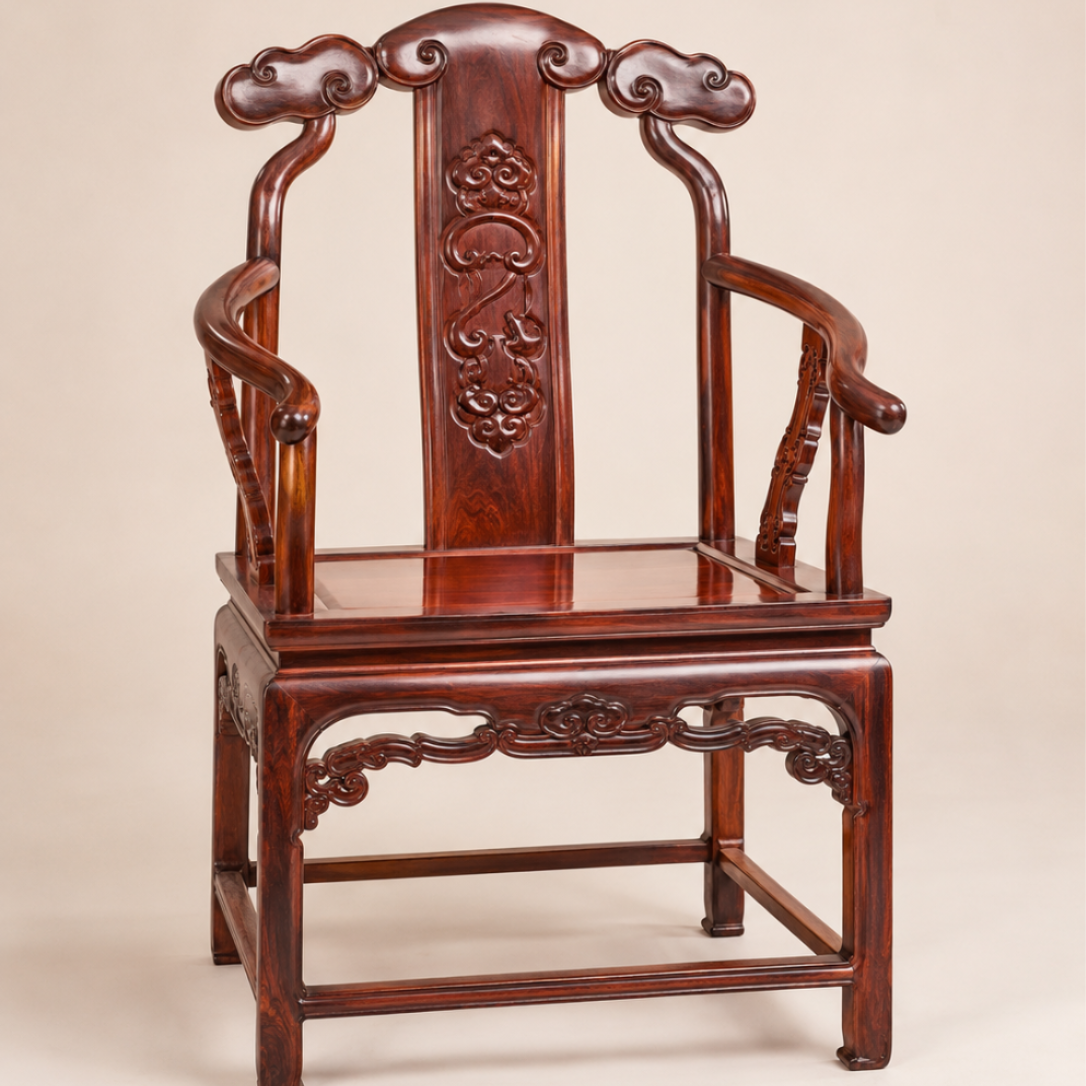
Evaluating antique rosewood chair for Collection, Heritage, and Investment Value
Antique-style rosewood chairs occupy a unique position in the furniture market: they serve as functional seating, cultural artifacts, and investment pieces. For B2B buyers sourcing these chairs for antique dealers, interior designers specializing in heritage properties, or hospitality venues seeking authentic cultural ambiance, the evaluation criteria extend beyond structural quality to include provenance indicators, stylistic authenticity, and market positioning. This guide examines how to assess antique-style rosewood chairs for commercial procurement.
The term "antique" in the context of newly manufactured rosewood furniture refers to chairs made using traditional designs, materials, and techniques that replicate or continue historical furniture styles. These are not genuine antiques (which would be 100+ years old) but newly crafted pieces that follow classical Chinese furniture traditions. Buyers must be transparent about this distinction in their marketing to avoid misrepresentation.
Historical Design Traditions in antique rosewood chair
Yunxiao's antique-style chairs draw from two major Chinese furniture design traditions: Ming Dynasty (1368-1644) and Qing Dynasty (1644-1912). Ming-style furniture is characterized by clean lines, minimal ornamentation, and elegant proportions that emphasize the natural beauty of the wood grain. Qing-style furniture features more elaborate carving, heavier proportions, and symbolic motifs that convey status and auspicious meaning.
The Classical Siamese Rosewood Armchair with Carved Ruyi Backrest exemplifies Ming-style design with its open-slat construction and restrained carving. The Qing Dynasty Style Carved Redwood Sofa incorporates lattice-and-phoenix backrest carving typical of the more ornate Qing aesthetic. Buyers should understand these design traditions to match chairs with the appropriate interior design context.
| Design Era | Key Characteristics | Best For | Example Product |
|---|---|---|---|
| Ming Style | Clean lines, minimal carving, open-slat design, elegant proportions | Contemporary interiors, boutique hotels, study rooms | Siamese Rosewood Armchair with Ruyi Backrest |
| Qing Style | Elaborate carving, symbolic motifs, heavier proportions, ornate details | Formal reception rooms, heritage properties, luxury hotels | Qing Dynasty Carved Sofa 5-Piece Set |
| Transitional | Ming proportions with selective Qing-era carving accents | Versatile settings blending traditional and modern decor | Ming Style Siamese Rosewood Sofa 7-Piece Set |
Provenance and Craftsmanship Indicators
When evaluating antique-style chairs for collection value, several craftsmanship indicators distinguish genuine handcrafted pieces from mass-produced imitations. Yunxiao's chairs are made in Xianyou County, Putian City, Fujian Province, a region recognized as the hometown of traditional hardwood furniture craft. This geographic provenance carries cultural significance and supports marketing claims of authentic craftsmanship.
Key craftsmanship indicators include: visible hand-tool marks in carving details (not machine-perfect surfaces), variation in grain orientation that follows the wood's natural structure, and traditional joinery techniques that predate modern manufacturing. Buyers should examine these indicators when evaluating samples and request detailed craftsmanship documentation for their marketing materials.
Wood Aging and Patina Development
Unlike lacquered furniture that maintains a consistent surface appearance, raw lacquer-finished rosewood develops a patina over time. This patina is a natural darkening and deepening of the wood's color that occurs as the lacquer oxidizes and the wood's natural oils migrate to the surface. For antique-style chairs, this patina development is desirable and enhances the piece's authenticity and value.
Yunxiao's raw lacquer finish uses a multi-coat hand-rubbing process with pumice stone that creates a satin sheen. Over 2-5 years of normal use, this finish develops a richer, deeper tone that resembles genuinely aged furniture. Buyers should inform end customers about this natural aging process, as it is a feature rather than a defect.
Cultural Symbolism in Carving Motifs
The carving motifs on antique-style chairs carry cultural meanings that add value and storytelling potential for end customers. Understanding these symbols helps buyers select chairs that resonate with their target market's cultural interests:
- Ruyi sceptre: A curved ornamental object symbolizing power, good fortune, and wishes fulfilled. One of the most versatile and widely recognized motifs in Chinese furniture.
- Dragon: The imperial symbol of power and authority. Dragon motifs were historically restricted to imperial and noble households, making them prestigious for luxury markets.
- Phoenix: The empress's symbol, representing grace, virtue, and marital harmony. Phoenix carving suits reception and hospitality settings.
- Cloud: Auspicious clouds symbolize good fortune and heavenly blessings. Cloud motifs appear frequently in classical furniture as background patterns.
- Bamboo: Represents integrity, resilience, and scholarly virtue. A popular motif for study and library furniture.
- Lattice: Geometric patterns symbolizing order and continuity. Lattice designs offer a clean aesthetic that bridges traditional and contemporary styles.
Authentication and Documentation for antique rosewood chair
For buyers marketing antique-style chairs as heritage-quality pieces, proper documentation is essential. Yunxiao provides the following documentation with each shipment: FSC chain-of-custody certificate verifying legal timber sourcing, CITES Appendix II export permits for Siamese rosewood, certificates of origin from Fujian Province, and craftsmanship descriptions detailing the construction methods and carving techniques used.
Additional documentation that buyers may request includes: timber species laboratory identification reports, moisture content certificates, finish compliance documentation (EU REACH, US CARB, FDA), and artisan craftsmanship certificates. These documents support marketing claims and facilitate customs clearance in regulated markets.
Market Positioning for Heritage Furniture
Antique-style rosewood chairs can be positioned in several market segments depending on the buyer's distribution channel and target customer. High-end antique dealers may focus on craftsmanship provenance and cultural authenticity. Interior designers may emphasize the chairs' ability to anchor a room's design narrative. Hospitality buyers may highlight the cultural ambiance that authentic classical furniture creates for guests.
When developing marketing materials, avoid claiming that newly manufactured chairs are genuine antiques. Instead, position them as "heritage-crafted," "traditionally made," or "classical style" furniture that follows historical designs and techniques. This transparent positioning builds trust with discerning buyers and avoids regulatory issues in markets with strict antique labeling laws.
Investment Potential and Resale Considerations
Solid Siamese rosewood furniture has demonstrated value appreciation over time, driven by the increasing scarcity of legally sourced CITES-listed timber and the growing global appreciation for handcrafted furniture. While no supplier can guarantee investment returns, several factors support the long-term value retention of these chairs:
- CITES Appendix II listing restricts global supply of Siamese rosewood, potentially increasing value as supply tightens
- Hand carving by master artisans cannot be mass-replicated, preserving the craftsmanship premium
- Raw lacquer patina development enhances visual depth and character over time
- FSC certification provides legal provenance that supports resale value in regulated markets
- Traditional mortise-and-tenon construction ensures structural longevity across decades
Display and Care in Heritage Settings
Antique-style chairs displayed in showrooms, galleries, or heritage properties require specific care protocols to preserve their condition and value. Avoid direct sunlight exposure, which can cause uneven color fading. Maintain stable indoor humidity between 40-65 percent to prevent wood movement. Dust regularly with a soft, dry cloth and apply natural beeswax polish every 3-6 months to nourish the lacquer finish.
For display lighting, use LED sources with low UV output to minimize fading risk. Position chairs away from heating vents and air conditioning ducts that create localized humidity fluctuations. When moving chairs for display rearrangement, always lift from the seat rail rather than pulling by the armrests or backrest.
Custom Heritage Reproduction Services
For buyers seeking specific historical designs, Yunxiao offers custom heritage reproduction services. Provide reference images, museum catalog references, or design specifications for the desired chair style. The master artisans can replicate Ming or Qing designs with period-appropriate proportions, carving motifs, and construction methods. Custom reproductions typically require extended lead times and minimum order quantities.
FAQ: antique rosewood chair for Collectors and Heritage Buyers
Are these chairs genuine antiques?
No, these are newly manufactured chairs made in traditional Ming and Qing Dynasty styles using authentic materials and techniques. They should be marketed as heritage-crafted or classical style furniture, not as genuine antiques.
What documentation supports the craftsmanship claim?
Each shipment includes FSC chain-of-custody certificates, CITES Appendix II export permits, certificates of origin from Fujian Province, and craftsmanship descriptions. Additional documentation such as timber species lab reports can be requested.
How does the raw lacquer finish age over time?
Raw lacquer develops a natural patina over 2-5 years, with the wood color deepening and the sheen becoming richer. This aging is desirable and enhances the chair's resemblance to genuinely aged furniture.
What is the difference between Ming and Qing style chairs?
Ming style features clean lines, minimal carving, and elegant proportions. Qing style has more elaborate carving, heavier proportions, and symbolic motifs. Ming suits contemporary interiors; Qing suits formal and luxury settings.
Can I order custom reproductions of specific historical designs?
Yes, custom heritage reproductions are available. Provide reference images or museum catalog references. Custom reproductions require extended lead times and minimum order quantities.
How should I display the chairs in a showroom or gallery?
Avoid direct sunlight, maintain 40-65% humidity, dust regularly, apply beeswax polish every 3-6 months, use low-UV LED lighting, and keep chairs away from heating and AC vents.
Does the furniture appreciate in value?
While no supplier can guarantee returns, factors supporting value retention include CITES-listed timber scarcity, non-replicable hand carving, patina development, FSC legal provenance, and durable mortise-and-tenon construction.
What carving motifs carry the strongest cultural symbolism?
Dragon and phoenix motifs carry the strongest imperial and noble associations. Ruyi sceptre is the most versatile and widely recognized. Bamboo symbolizes scholarly virtue, and cloud represents auspicious blessings.
Where are the chairs made?
Chairs are made in Xianyou County, Putian City, Fujian Province, recognized as the hometown of traditional hardwood furniture craft in China. This geographic provenance supports craftsmanship marketing claims.